
In depth analysis: What is the difference between a heat pipe and a temperature equalization plate (Heatpipe and VC)!
Heatpipes and vapor chambers (VC) are widely used in high-power or highly integrated electronic products. When used properly, it can be simply understood as a component with a very high thermal conductivity. It is not difficult to understand that heat pipes and VC can effectively eliminate diffusion thermal resistance.
The most common application example of heat pipes is embedded in heat sinks, which evenly distribute the heat of the chip on the heat sink substrate or fins. As shown in the lower left figure, when the heat generated by the chip is transferred to the heat sink through the thermal interface material, due to the extremely high thermal conductivity of the heat pipe, the heat can propagate along the heat pipe with a very low thermal resistance. At this point, the heat pipe is connected to the fins of the radiator, allowing heat to be more effectively dissipated into the air through the entire radiator. The bottom right image shows a heat sink embedded with heat pipes in the substrate. When the heating area of the chip is relatively small, direct transfer to the substrate of the heat sink will cause significant unevenness in the temperature distribution of the substrate. After installing a heat pipe, the high thermal conductivity of the heat pipe can effectively alleviate temperature non-uniformity and improve the heat dissipation efficiency of the radiator.
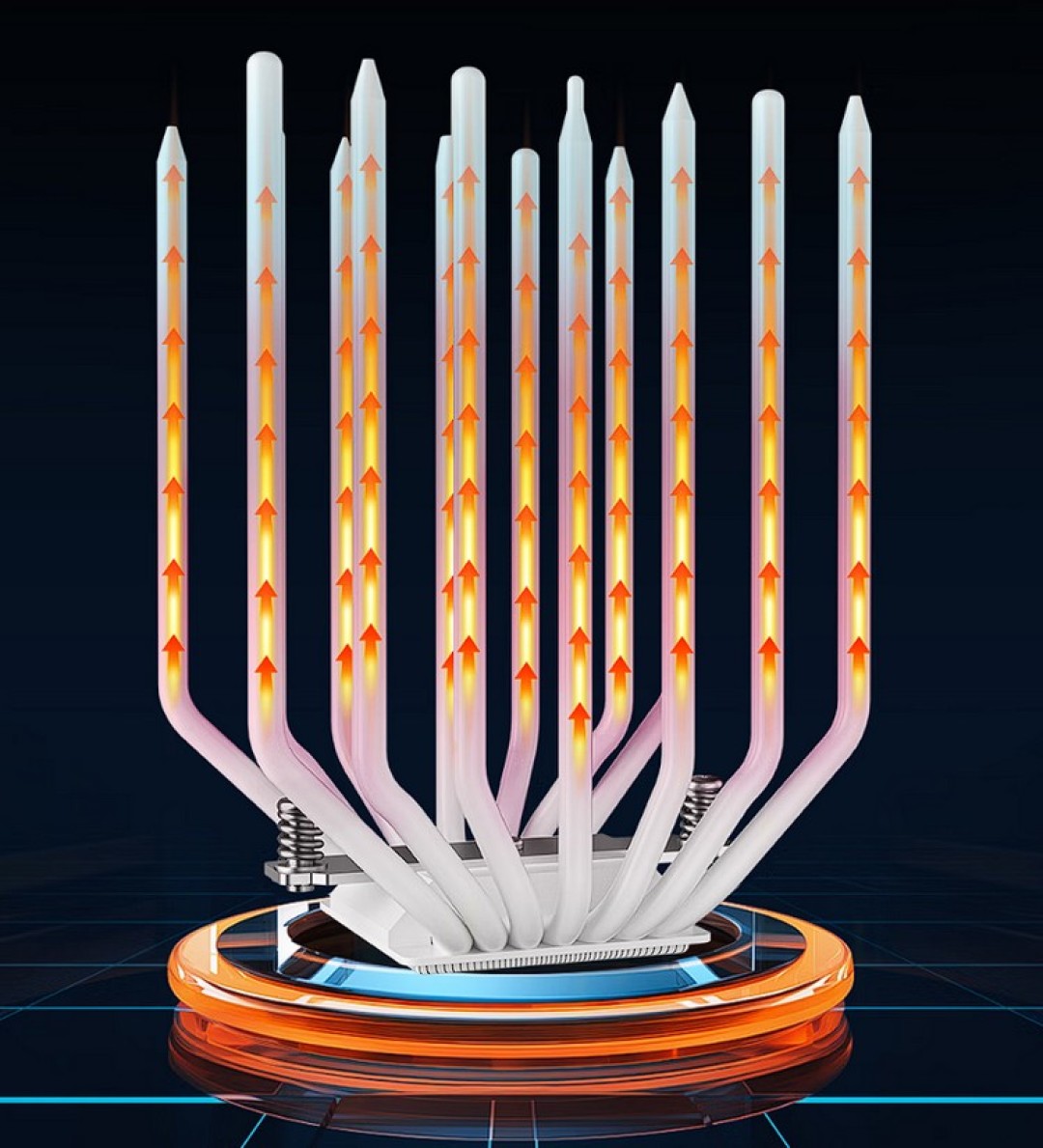
Another application scenario of heat pipes is the efficient transfer of heat. This design is very common in laptops. The specific design reason is that there is not enough space to install a heat sink in the area where the chip heats up, and there is relevant space to install heat dissipation enhancement components in other distant parts of the product. At this point, heat pipes can be used to transfer the heat generated by the chip to a suitable space for heat dissipation.
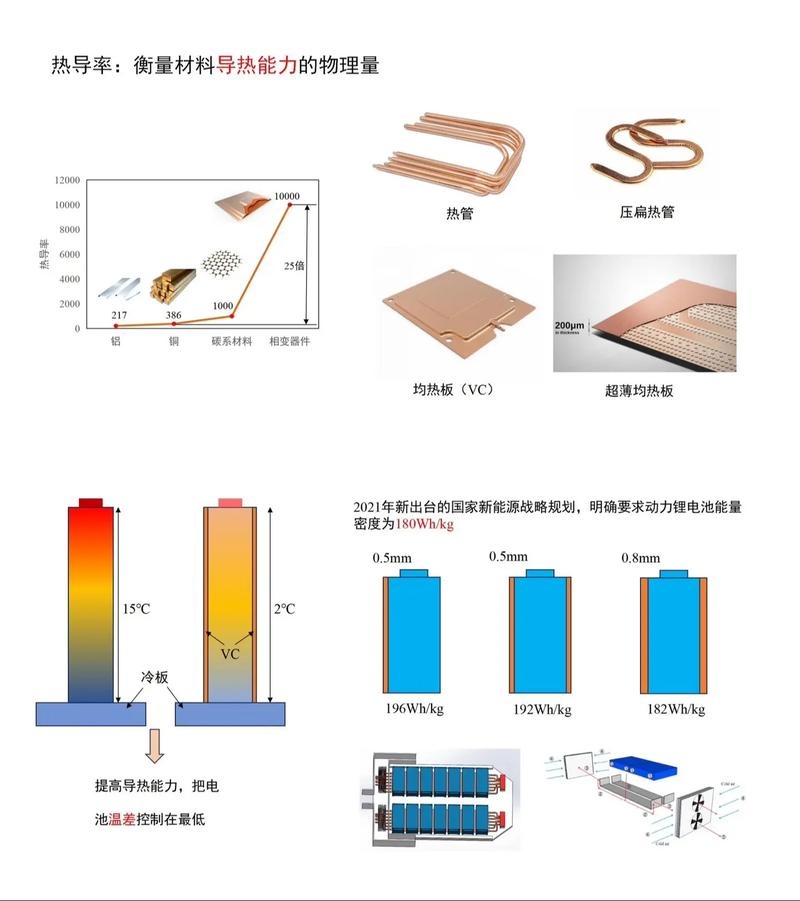
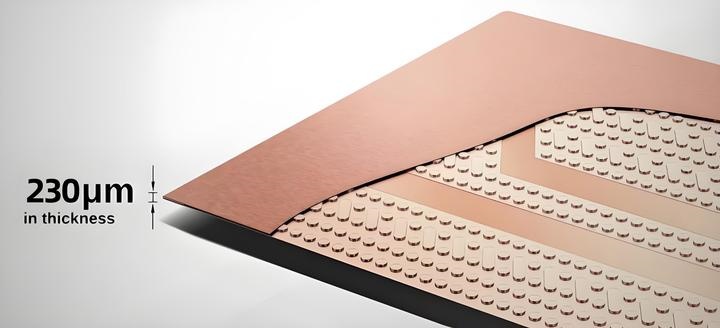
The use of VC temperature equalization plates is relatively simple because they cannot bend flexibly like heat pipes. But when the heat of the chip is very concentrated, the advantage of the temperature equalization plate can be reflected. This is because the uniform temperature plate is like a flattened heat pipe, which can smoothly distribute heat throughout the entire surface of the plate. However, in the design of using heat pipes embedded in substrates, there will still be significant diffusion thermal resistance in the "blind spots" that are not covered by heat pipes.
When the heat of the chip is very concentrated, these blind spots can sometimes cause very significant temperature differences. At this point, if a temperature equalization plate is used, these blind spots will be eliminated, and the entire substrate of the heat sink will be completely covered, effectively weakening the diffusion thermal resistance and improving the heat dissipation efficiency of the heat sink.
3D VC radiator: The part of the bottom surface in contact with the heat source is VC, and the heat pipe is directly connected to the bottom VC, which not only utilizes VC without blind spots, but also utilizes the bendable nature of the heat pipe.
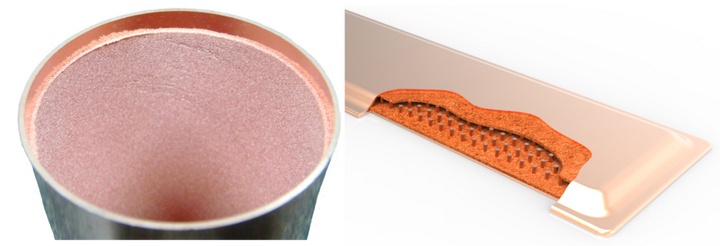
Heat pipes and VC are highly technical materials in heat dissipation components. For a long time, the market has been monopolized by Taiwanese, European, and American manufacturers. But in recent years, many domestic manufacturers have been able to achieve self research and production. The design and selection of heat pipes and VC also involve more in-depth knowledge of thermal design, which needs to be carefully considered based on requirements and application scenarios. When the selection is inappropriate, the heat pipe and VC not only fail to enhance heat transfer, but also form a huge thermal resistance, causing the failure of the heat dissipation scheme.