
Liquid cooled water radiator module production factory
The water-cooled (liquid cooled) cooling system uses a pump to circulate the coolant in the cooling pipes and dissipate heat. The heat absorbing part on the radiator (referred to as the heat absorbing
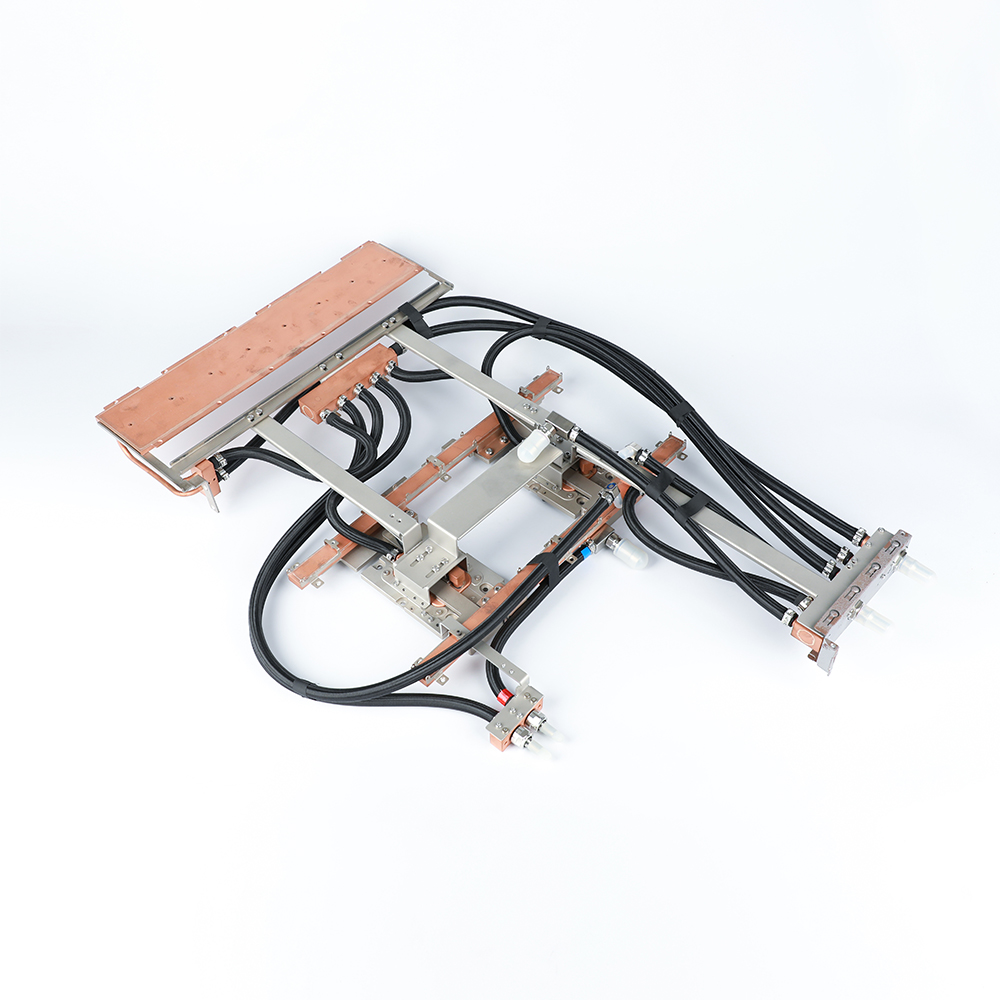
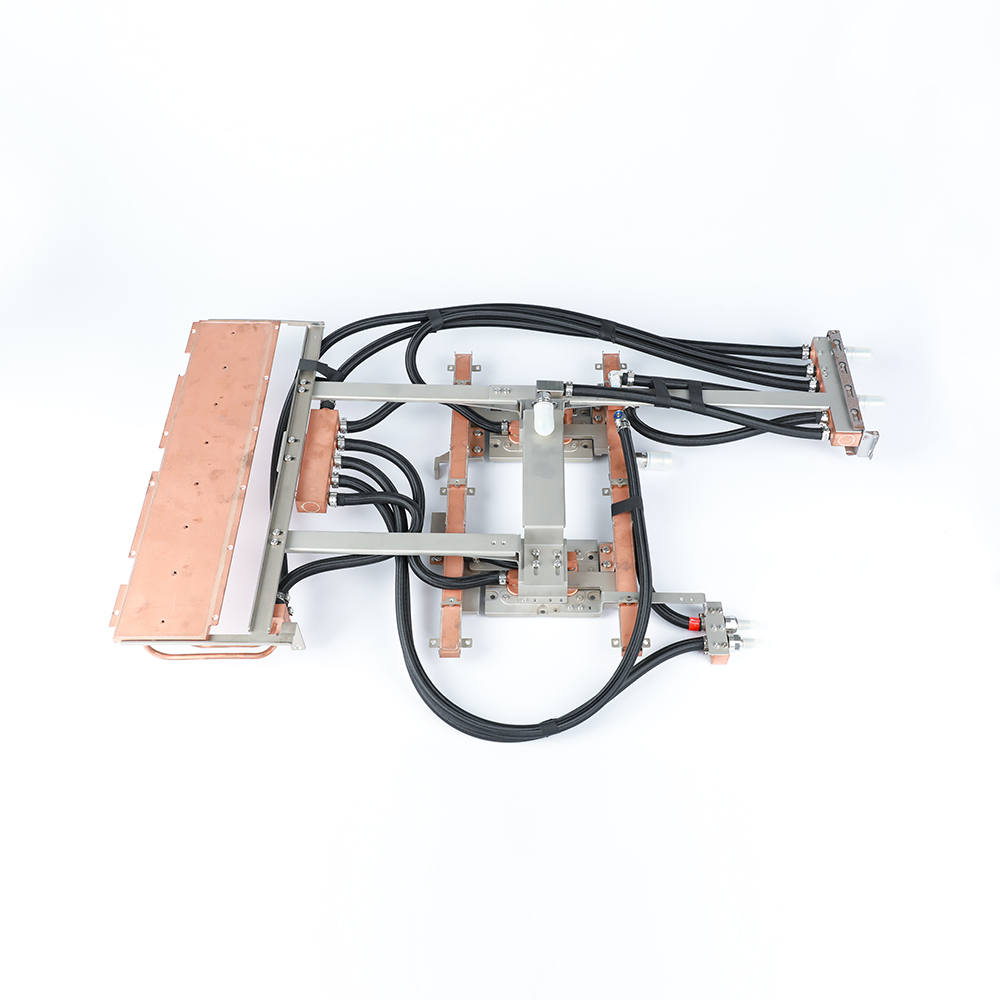
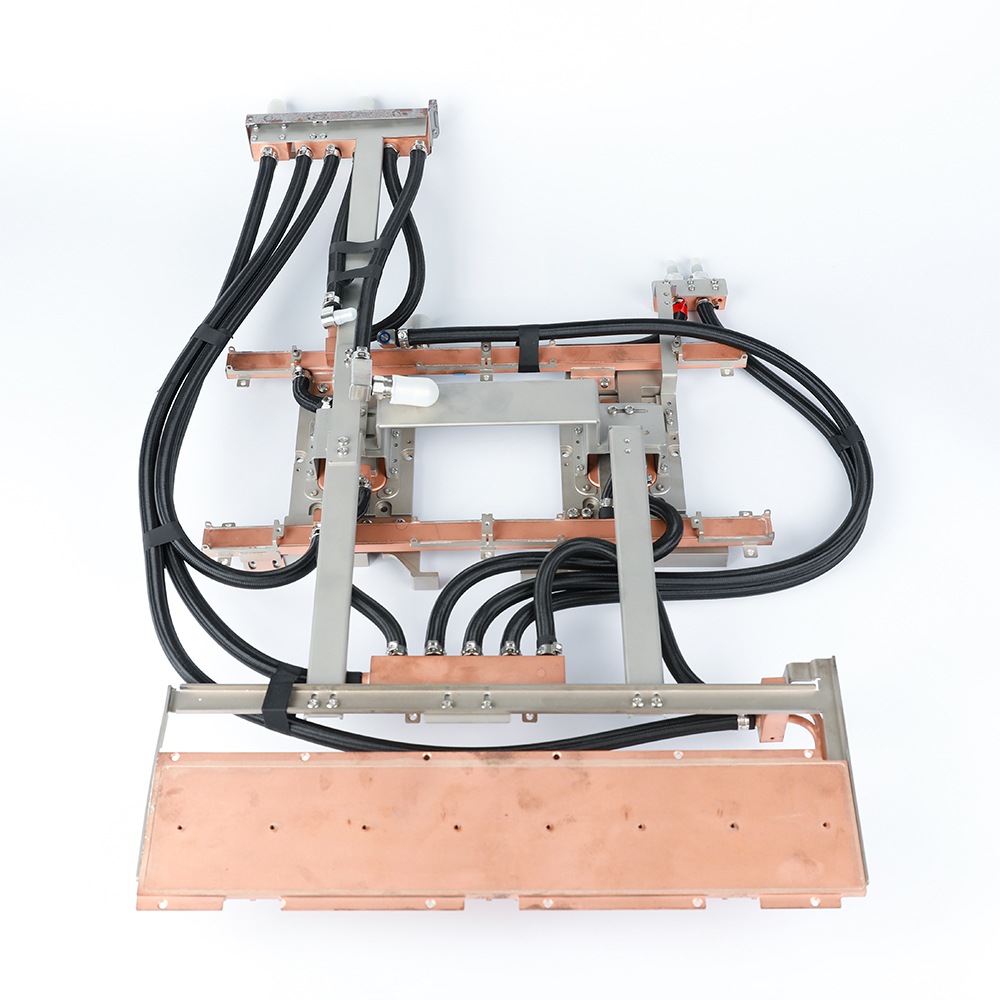
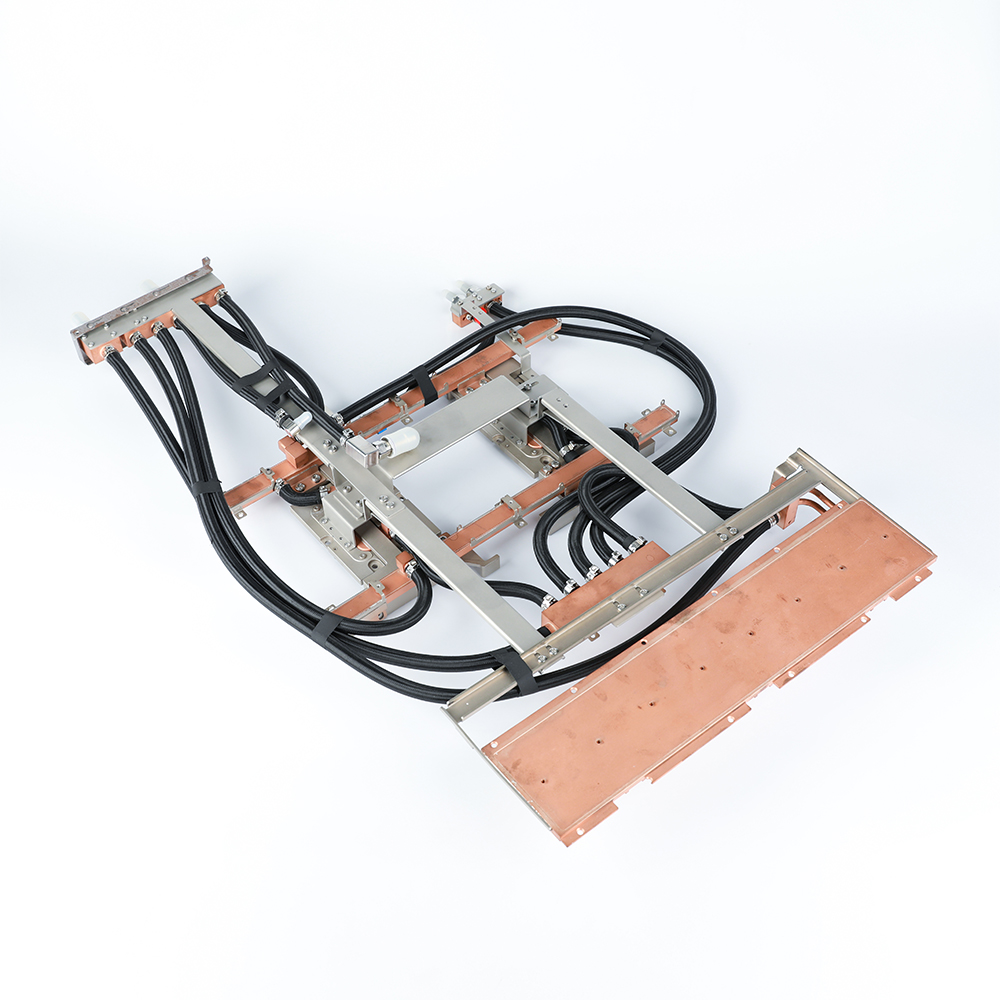
The water-cooled (liquid cooled) cooling system uses a pump to circulate the coolant in the cooling pipes and dissipate heat. The heat absorbing part on the radiator (referred to as the heat absorbing box in liquid cooling systems) is used to absorb heat from new energy battery power packs, 5G communication equipment, servers, PC computers, IGBT controllers, UPS and energy storage systems, large photovoltaic inverters, and SVG/SVC heat dissipation. The heat absorbed by the heat absorbing part is discharged to the outside through a heat sink designed on the back of the heat source.
In the fields of power electronic control, conversion, drive, signal transmission, and new energy (such as cooling of power batteries for new energy vehicles, cooling of UPS and energy storage systems, cooling of large servers, cooling of large photovoltaic inverters, cooling of SVG/SVC, etc.), in order to pursue high-efficiency, low-noise, low-temperature operation, and when limited by space, cooling issues have become the biggest limitation for product development idealization. Liquid cooled cooling technology has become the preferred thermal management method.
 Customized requirement communicationOne
 Determine customized planTwo
 Both parties sign a contractThree
 The customer pays a depositFour
 Sample validation testingFive
 Mold making and mass production processingSix
 Quality control testingSeven
 Manufacturer's delivery and distributionEight
 Customer satisfaction acceptedNine
 After-sales serviceTen